
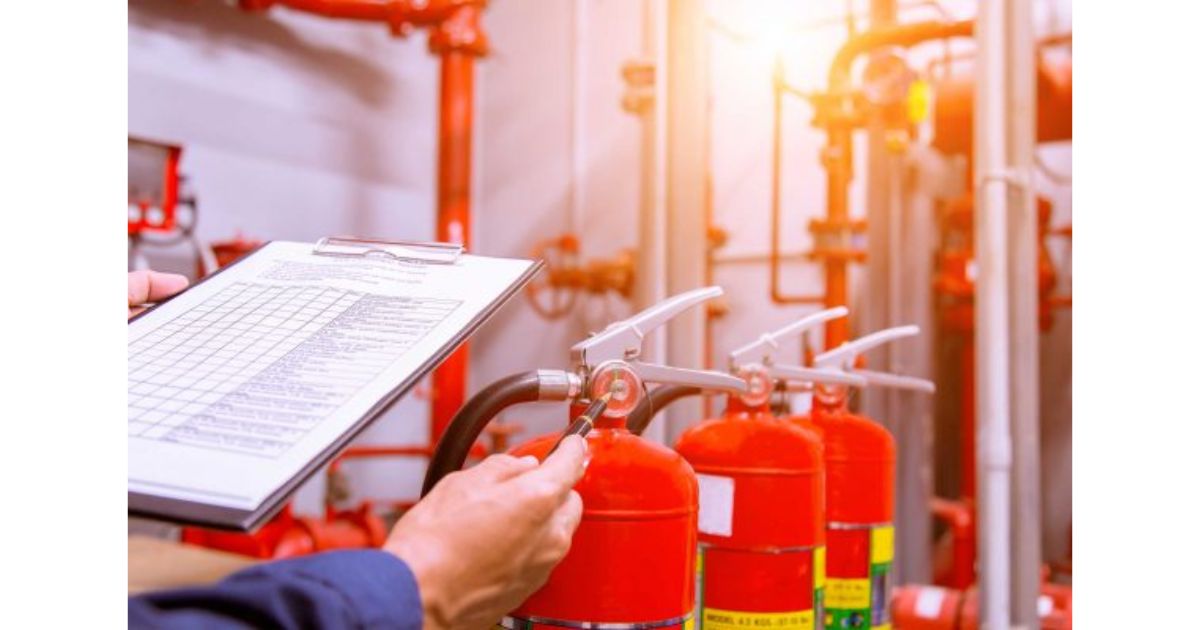
Introduction
Fire safety is a critical component of building management, especially in environments where human lives, valuable assets, and business operations are at risk. One of the most important elements of fire safety compliance is Bảo trì hệ thống PCCC (fire protection system maintenance), which ensures that all fire prevention and suppression systems operate effectively at all times.
However, maintaining fire protection systems is not only a technical requirement—it is also a legal obligation governed by strict safety regulations. These regulations define how systems should be installed, inspected, tested, and maintained to ensure maximum protection against fire hazards.
This article provides a clear and detailed understanding of safety regulations related to Bảo trì hệ thống PCCC, helping businesses, facility managers, and building owners stay compliant and safe.
What is Bảo trì hệ thống PCCC in Regulatory Terms?
In regulatory terms, Bảo trì hệ thống PCCC refers to the scheduled inspection, testing, repair, and certification of fire protection systems according to national fire safety standards.
These systems typically include:
- Fire alarm systems
- Smoke and heat detectors
- Automatic sprinkler systems
- Fire hydrants and hose reels
- Fire extinguishers
- Emergency lighting and exit systems
- Fire pumps and control panels
Safety regulations ensure that each of these components meets performance standards and is capable of functioning during emergencies without failure.
Importance of Fire Safety Regulations
Fire safety regulations are designed to protect:
- Human life and health
- Property and infrastructure
- Business continuity
- Environmental safety
- Public safety in shared buildings
Without strict regulations, fire protection systems may be installed but not properly maintained, leading to dangerous failures during emergencies. Regulations ensure accountability and consistency in Bảo trì hệ thống PCCC practices.
Key Principles of Fire Safety Regulations
1. Regular Inspection Requirement
One of the core principles of fire safety regulations is mandatory inspection. Fire protection systems must be inspected at scheduled intervals to ensure proper functioning.
These inspections typically include:
- Monthly system checks
- Quarterly performance tests
- Annual comprehensive evaluations
The purpose is to identify faults early before they lead to system failure.
2. Functional Testing Standards
Regulations require that all components of a fire protection system undergo functional testing.
This includes:
- Alarm activation tests
- Sprinkler discharge checks
- Detector sensitivity testing
- Pump pressure verification
Functional testing ensures that systems respond correctly in real emergency conditions, not just in theory.
3. Maintenance and Repair Obligations
When faults are identified, regulations require immediate corrective action. Delayed repairs can compromise system effectiveness.
Key obligations include:
- Immediate replacement of faulty detectors
- Repair of damaged sprinkler heads
- Fixing wiring or control panel issues
- Restoring system pressure and flow
Proper Bảo trì hệ thống PCCC ensures that all issues are resolved quickly and effectively.
4. Documentation and Reporting Requirements
Accurate documentation is a major part of fire safety compliance. Regulations require detailed records of:
- Inspection dates and results
- Maintenance activities performed
- Equipment replaced or repaired
- Test results and system performance
- Technician certifications and approvals
These records serve as proof of compliance and are often required during audits or inspections.
5. Compliance with Approved Standards
Fire protection systems must comply with approved technical and safety standards. These standards define:
- Equipment specifications
- Installation methods
- Performance benchmarks
- Maintenance procedures
Compliance ensures that systems meet minimum safety requirements and function reliably under stress conditions.
Regulatory Requirements for Different Fire Protection Systems
Fire Alarm Systems
Regulations require that fire alarm systems:
- Detect smoke or heat accurately
- Activate immediately during emergencies
- Be tested regularly for response time
- Have backup power supply support
Failure of alarm systems is considered a serious violation of safety regulations.
Sprinkler Systems
Sprinkler systems must comply with strict standards related to:
- Water pressure levels
- Pipe integrity and leak prevention
- Coverage area and placement
- Automatic activation response
Regular Bảo trì hệ thống PCCC ensures sprinklers remain fully operational.
Fire Extinguishers
Fire extinguisher regulations include:
- Proper placement in accessible locations
- Clear labeling and instructions
- Pressure and expiry checks
- Regular refilling and servicing
Improper maintenance can render extinguishers ineffective during emergencies.
Fire Pumps and Water Supply Systems
Fire pump systems are critical for water-based fire suppression and must meet regulations such as:
- Maintaining required water pressure
- Ensuring backup pump functionality
- Routine operational testing
- Protection against mechanical failure
Any malfunction in this system can severely compromise fire response capability.
Emergency Lighting and Exit Systems
Regulations require emergency lighting systems to:
- Activate automatically during power failure
- Provide clear evacuation visibility
- Be tested regularly for battery performance
- Remain fully functional at all times
Exit routes must always be clearly marked and unobstructed.
Legal Consequences of Non-Compliance
Failure to comply with fire safety regulations can lead to serious consequences, including:
- Financial penalties and fines
- Suspension of business operations
- Increased insurance costs
- Legal liability in case of fire incidents
- Criminal charges in severe negligence cases
In many cases, lack of proper Bảo trì hệ thống PCCC is a key factor in regulatory violations.
Role of Authorities in Fire Safety Enforcement
Fire safety authorities are responsible for:
- Conducting routine inspections
- Issuing compliance certificates
- Investigating fire incidents
- Enforcing maintenance standards
- Approving fire safety designs and systems
They ensure that all buildings follow proper safety protocols and maintain operational fire protection systems.
Best Practices for Regulatory Compliance
To ensure full compliance with fire safety regulations, organizations should:
- Schedule regular maintenance inspections
- Hire certified fire safety technicians
- Maintain detailed maintenance records
- Conduct fire drills and emergency training
- Immediately repair any system faults
- Stay updated with changing regulations
These practices ensure that Bảo trì hệ thống PCCC is performed correctly and consistently.
Benefits of Following Fire Safety Regulations
Improved Safety and Protection
Proper compliance significantly reduces the risk of fire-related injuries and fatalities.
Enhanced System Reliability
Regular maintenance ensures fire protection systems operate efficiently during emergencies.
Legal and Financial Security
Compliance helps avoid fines, lawsuits, and insurance complications.
Business Continuity
Well-maintained systems reduce downtime caused by fire incidents or safety violations.
Conclusion
Understanding safety regulations related to Bảo trì hệ thống PCCC is essential for maintaining safe, compliant, and efficient buildings. These regulations ensure that fire protection systems are properly installed, regularly maintained, and fully functional at all times.
From inspection requirements and functional testing to documentation and legal compliance, every aspect plays a vital role in fire safety management. Ignoring these regulations can lead to severe consequences, including financial loss, legal penalties, and risk to human life.
Ultimately, following fire safety regulations is not just about compliance—it is about responsibility. Consistent and professional Bảo trì hệ thống PCCC ensures a safer environment, protects valuable assets, and provides peace of mind for everyone inside the building.